What is Pardot? Understanding Salesforce’s B2B Marketing Tool
Pardot, now Marketing Cloud Account Engagement, is Salesforce’s B2B marketing automation tool. Here’s what it does, who it’s for, and how to get the most out of it.

Pardot, now called Marketing Cloud Account Engagement (MCAE), is Salesforce’s marketing automation for B2B. That’s the definition. What matters more is what it does for your pipeline, and when it’s the wrong tool.
If you’re still choosing a tool, start with our comparison of the best marketing automation platforms.
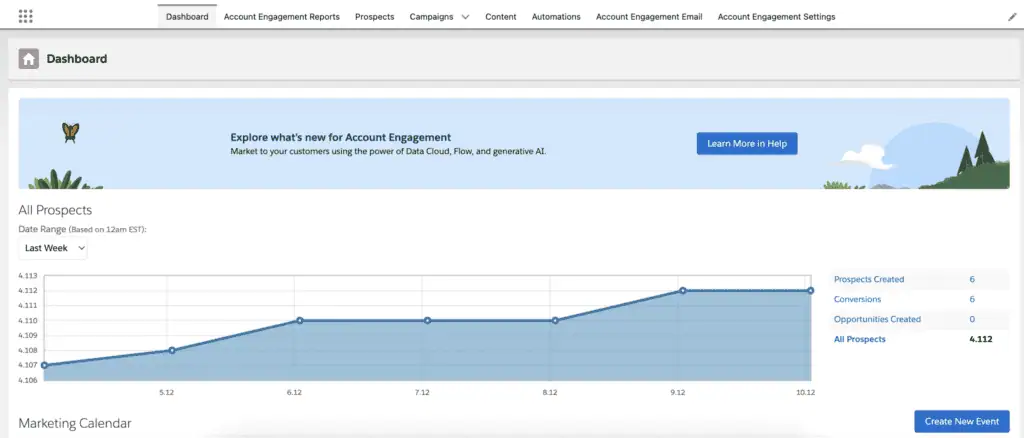
- Pardot is now officially called Marketing Cloud Account Engagement (MCAE): Salesforce’s B2B marketing automation platform.
- It brings lead capture (forms, form handlers, landing pages), email automation, lead scoring and nurturing into one tool.
- The main benefits: better lead quality, shorter sales cycles and closer alignment between sales and marketing.
- Start with clean data, build scalable processes and test before launching; avoid over-complicated scoring models.
- Pardot is built for B2B; Marketing Cloud Engagement is the choice for B2C marketing at scale.
Understanding Pardot and Its Role in B2B Marketing
First, what makes Pardot different from other B2B tools.
Pardot is now officially known as Marketing Cloud Account Engagement (MCAE), though many still refer to it as Pardot.
What Is Pardot (Marketing Cloud Account Engagement)?
Pardot, now known as Marketing Cloud Account Engagement (MCAE), is Salesforce’s marketing automation for B2B. It’s where your forms, emails, scoring and nurturing live, connected to the CRM your sales team already uses.
How Pardot Fits Into the Salesforce Ecosystem
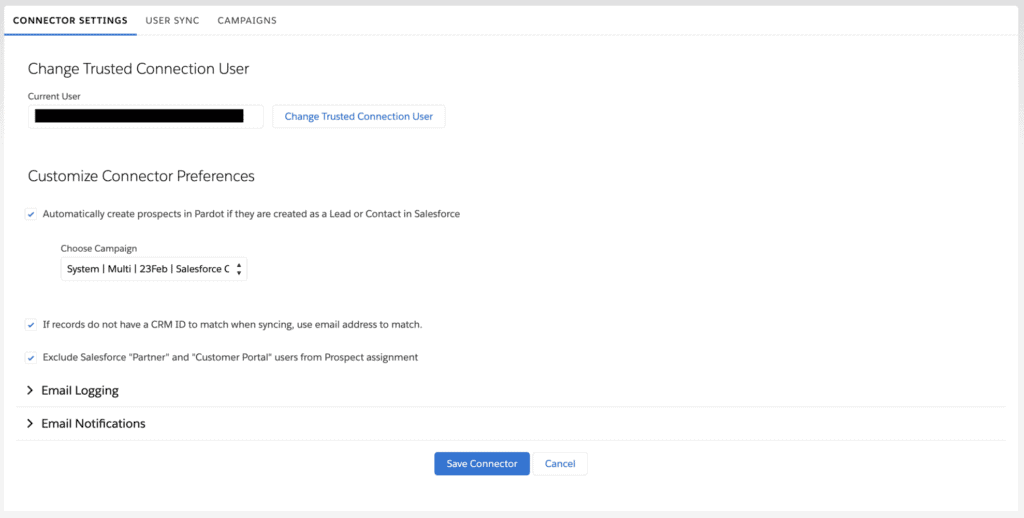
Understanding Pardot’s role in the broader Salesforce ecosystem is crucial for maximizing its potential. Pardot isn’t just another marketing tool – it’s a core part of the Salesforce platform, designed to bridge the gap between marketing and sales:
- Native integration with Sales Cloud
- Seamless data synchronization
- Unified reporting and analytics
- Shared security and compliance features
Key Benefits of Using Pardot for B2B Marketing
Transform your marketing operations with capabilities that matter:
- Automation at Scale: Run complex marketing automations without increasing headcount
- Sales Alignment: Keep your sales team informed with real-time prospect insights
- ROI Tracking: Measure the impact of every marketing dollar spent
- Personalization: Deliver the right message to the right person at the right time
Core Features and Capabilities
Here are some of the features Pardot offers.
Lead Generation and Management Tools
Your success starts with capturing quality leads. Pardot offers:
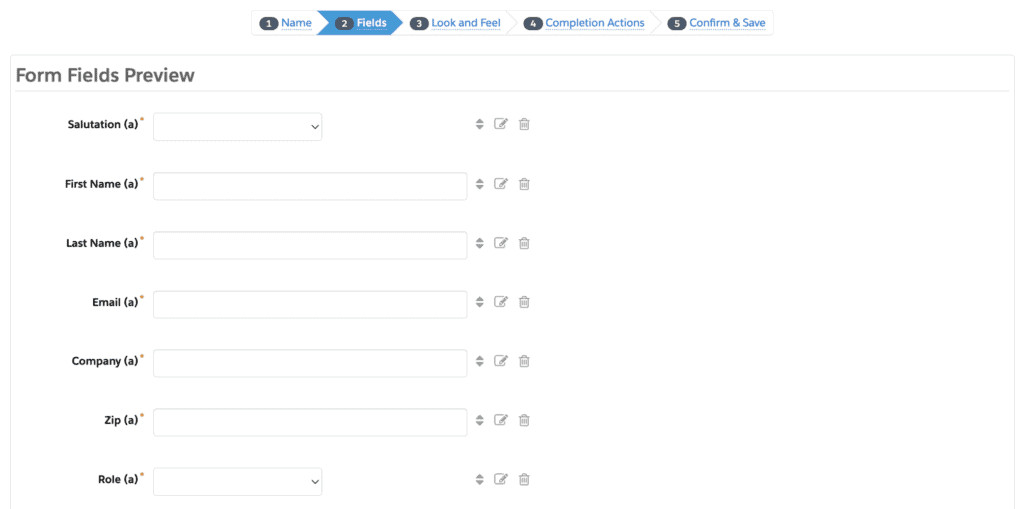
- Smart Forms & Form Handlers
- Progressive profiling
- Custom validation rules
- Hidden field automation
- Mobile-responsive design
- Landing Pages
- Drag-and-drop builder
- A/B testing capabilities
- Custom domains
- Mobile optimization
Email Marketing and Automation Features
Create sophisticated email campaigns that drive engagement:
- Email Builder
- Responsive templates
- Dynamic content blocks
- A/B testing tools
- Engagement metrics
Campaign Management and ROI Tracking
Monitor and optimize your marketing efforts:
| Pardot Asset | Key Metrics | Selected Features |
|---|---|---|
| Email Campaigns | Open rate, Click-through rate | Segment audiences, Test subject lines |
| Landing Pages | Conversion rate, Bounce rate | Clear CTAs, Mobile optimization |
| Forms | Completion rate, Error rate | Minimal required fields, Progressive profiling |
Website Tracking and Visitor Identification
Understand your website visitors like never before:
- Real-time visitor tracking
- Custom scoring rules
- Anonymous visitor matching
- Behavior-based automation
Business Benefits
What are the real advantages of Pardot and marketing automation.
Improved Lead Quality and Conversion Rates
Transform your lead generation process:
- Higher quality leads through smart scoring
- Automated nurture programs
- Personalized content delivery
- Shortened sales cycles
Enhanced Sales and Marketing Alignment
Break down silos between teams:
- Shared prospect insights
- Real-time notifications
- Automated lead assignment
- Unified reporting
Use Cases
Let’s dive into two typical use cases.
Lead Nurturing and Scoring
- Multi-touch nurture campaigns
- Behavior-based scoring models
- Industry-specific templates
- Engagement tracking
Content Marketing and Asset Management
Organize and track your marketing assets:
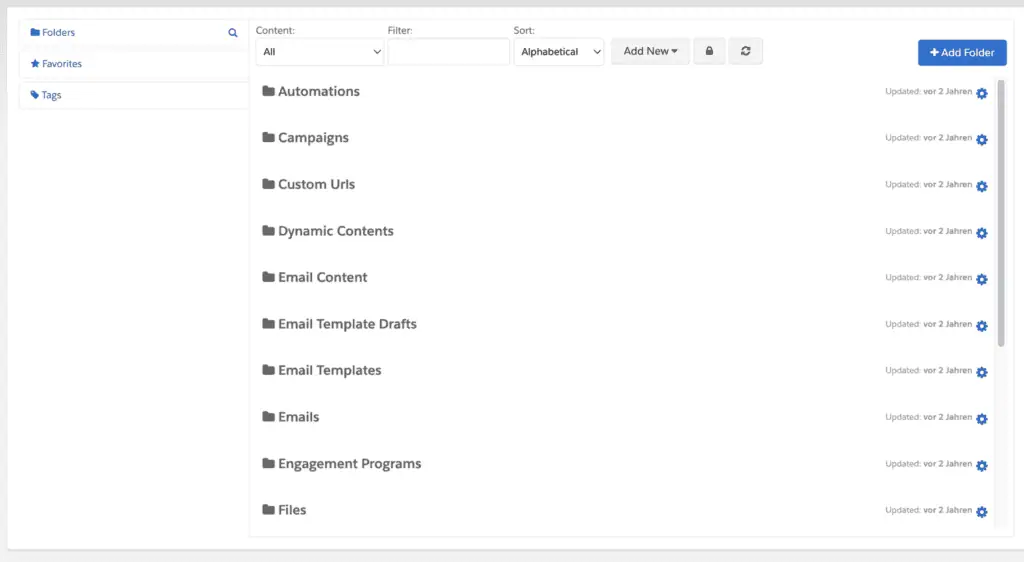
- Centralized content library
- Asset performance tracking
- Download tracking
- Content ROI measurement
Best Practices and Tips
Success with Pardot comes from both understanding its features and knowing how to implement them effectively. Here are the key practices that successful marketing teams follow.
Optimizing Your Pardot Implementation
Follow these proven strategies:
- Start with clean data
- Build scalable processes
- Test before launching
- Monitor and adjust
Common Pitfalls To Avoid
- Over-complicated scoring models
- Lack of segmentation
- Poor data hygiene
- Insufficient testing
Frequently Asked Questions
What are other typical questions when it comes to explaining what Pardot is.
How Does Pardot Differ from Marketing Cloud?
Pardot (MCAE) focuses on B2B marketing automation, while Marketing Cloud is designed for B2C marketing at scale. Think of Pardot as your B2B marketing command center and Marketing Cloud as your B2C marketing powerhouse.
What Industries Benefit Most from Pardot?
Pardot works across industries. Some of the popular ones are:
- Technology companies
- Professional services
- Manufacturing
- Healthcare
- Financial services
Can Pardot Work Without Salesforce?
You cannot purchase pardot without already having Salesforce. It’s an extension of Salesforce.
What’s the Difference Between Pardot and Salesforce?
Pardot is a marketing automation tool within the Salesforce family. Think of Salesforce as your CRM foundation for sales and Pardot as your marketing automation engine built on top.
Can Pardot Be Used for B2C Marketing?
While technically possible, Pardot is optimized for B2B marketing workflows. For B2C marketing, Salesforce Marketing Cloud offers better-suited features.
Looking beyond Pardot? Marketing Cloud Next Explained for Pardot Users shows what Salesforce is building next and whether your licence already includes it.
Thinking about Pardot for your team, or already on it and getting less out of it than you hoped? Get in touch, and a certified consultant will show you where to start.